



Menopause and Sleep: Why You Wake Up at 3 A.M. and How to Rest Well
Apr 12, 2026
|By Deidre Ann Johnson
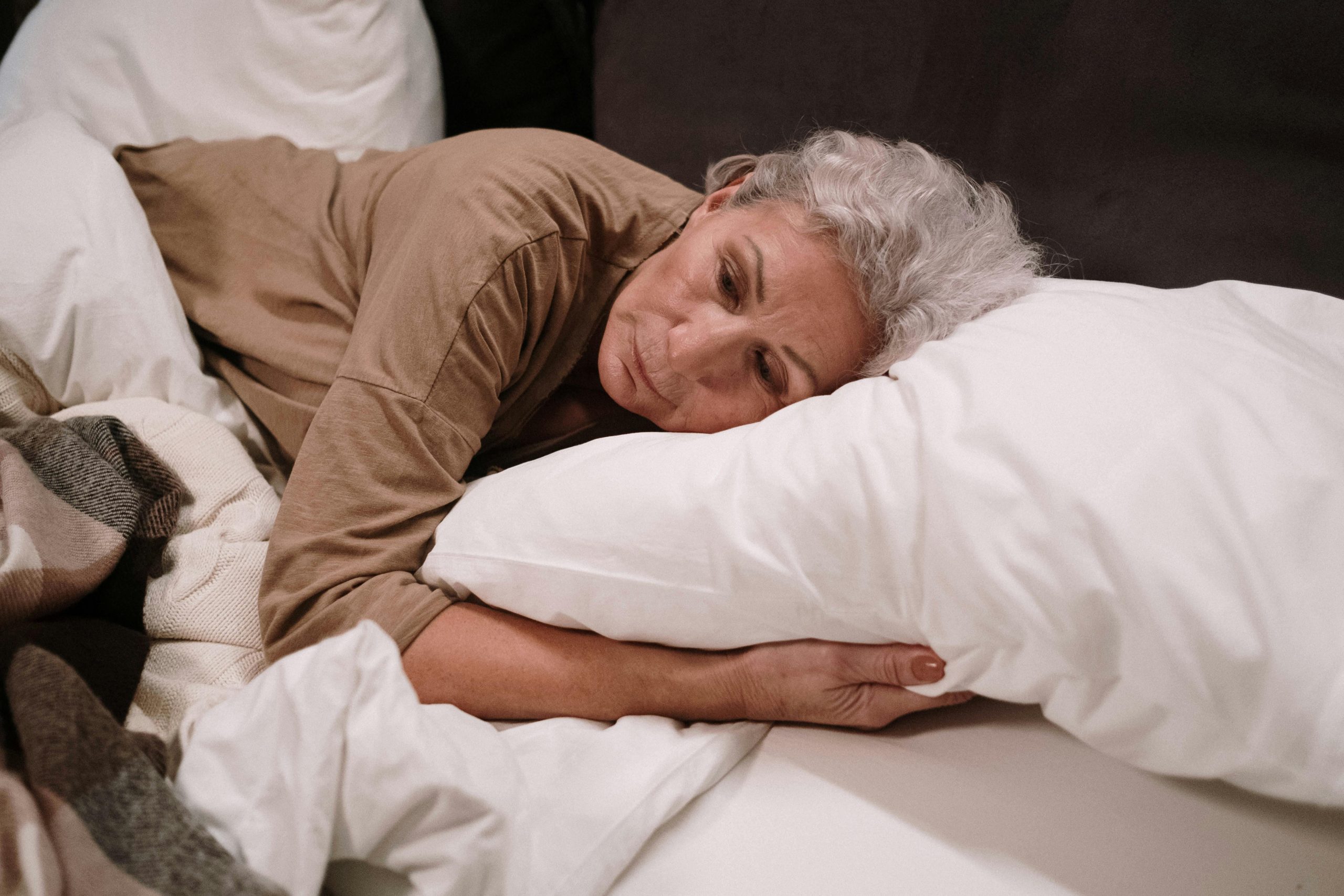
Disrupted sleep is prevalent in menopause.
Menopause and sleep don’t always get along. Here’s what’s actually happening and what you can do about it.
I used to be able to sleep anywhere. Planes, waiting rooms, a quiet corner anywhere I could find one. So when menopause arrived and suddenly I was staring at the ceiling at 3 a.m. (which, I’ve since learned, is practically the official wake-up time of perimenopause), I took it personally.
My room was neat. My bed was comfortable. Blackout shades, soft sheets, temperature dialed in between 60 and 67 degrees, everything by the book. And still, sleep eluded me.
I’ll be honest: I moved through menopause relatively smoothly compared to what many of my patients describe. But even I noticed the shift. And that’s worth paying attention to, because disrupted sleep doesn’t always announce itself dramatically. Sometimes it’s just a little harder to get there. A little harder to stay.
Why Menopause Disrupts Sleep
The connection between menopause and sleep problems is well documented, but it’s more nuanced than most people realize. Hot flashes get most of the blame, and they’re not innocent, but research shows that menopausal women often wake up just before the hot flash hits, not because of it. Changes in the brain that trigger hot flashes may be what’s actually pulling you out of sleep. This matters because even women who don’t experience dramatic hot flashes can still have their sleep disrupted.
According to Johns Hopkins Medicine, disturbed sleep is one of the expected changes during menopause, and it can begin as early as perimenopause, the transition period when your menstrual cycle starts becoming irregular, and persist well beyond it.
Other factors compound the problem. Declining estrogen and progesterone levels may increase the risk of sleep apnea, and the anxiety and depressive symptoms that sometimes accompany menopause are themselves significant drivers of poor sleep. It’s rarely just one thing.
What Actually Helps With Menopause and Sleep
Move your body, consistently
One of the most well-supported interventions for menopausal symptoms is also the most underused: exercise. A consistent 150 minutes of moderate movement per week has been shown to ease menopausal symptoms and protect against the health risks that climb after menopause, including heart disease, diabetes, hypertension, and osteoporosis. As a physical therapist I’d add that it doesn’t have to be intense. Walking counts. Resistance training counts. The consistency matters more than the intensity.
Have the HRT conversation with your doctor
Hormone replacement therapy is worth discussing with your physician if menopause and sleep disruption are significantly affecting your quality of life. The research has evolved considerably since the early 2000s, and the blanket warnings many of us grew up hearing have been largely revisited. Some SSRIs have also shown benefit for sleep disruption in menopausal women, independent of their antidepressant effects. These are conversations worth having with someone who knows your full health picture, not decisions to make based on a blog post, including this one.
Build a sleep routine and actually keep it
Here’s where I’ll be transparent with you: I know exactly what a good sleep routine looks like. I also know exactly what happens when I abandon it.
On the nights I work late, fall down a YouTube rabbit hole, or have a cocktail too close to bedtime, I feel it. The next morning is foggier, slower, less than my best. I’m a physical therapist with 25 years of experience and I still occasionally make these choices. I’m telling you this not to normalize it, but because maintaining good sleep habits is an ongoing practice, not a permanent achievement.
The basics, which are basic for a reason:
- Avoid heavy meals and alcohol at least three hours before bed. Alcohol may feel like it helps you fall asleep, but it doesn’t help you stay asleep.
- Power down screens an hour before bedtime. The blue light from your phone, laptop, or television suppresses melatonin production and signals your brain to stay alert.
- Don’t bring unresolved problems to bed with you. If something is weighing on you, write it down before you turn off the light. Your brain will keep working on it either way, at least this way it’s not keeping you awake doing it.
- Keep your room cool, dark, and consistent. Your body drops in temperature as part of the sleep cycle, and a room between 60 and 67 degrees supports that process.
If you’re navigating menopause and sleep challenges and want support building sustainable habits, this is exactly the kind of work I do with midlife women at The Wellness Hub NYC.
Create a lifestyle that supports a good night’s sleep in menopause
The Bigger Picture on Menopause and Sleep
The hormonal shifts are happening whether you like it or not. What you can control is the environment and habits you build around them.
That’s the work. And it’s worth doing, because everything else you’re trying to accomplish, the energy, the clarity, the showing up fully, starts with how you slept the night before.