


Menopause Confusion: Fasted Workouts, Morning Coffee, and Supplements
Oct 25, 2026
|By Deidre Ann Johnson
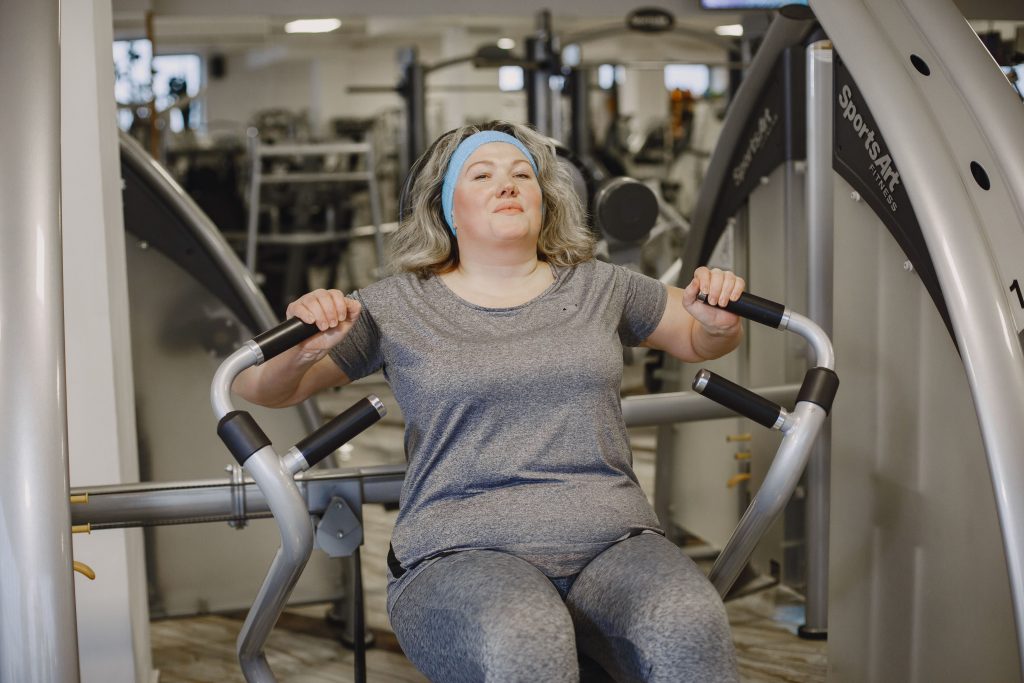
I’m in my 60s and well into post menopause, and I’m living with the long tail of estrogen decline. I’ve lost muscle. I’ve got the menopause belly. I know what builds muscle, and I’ve spent 25 years teaching it. Then I open my phone and someone tells me that the way I’ve trained for years is wrong. This week the target was fasted exercise after menopause. The week before, it was my morning coffee.
If you feel confused, you’re in good company. So I went back to the research with my PT hat and my coaching hat both on. Here’s where I landed and what I’m doing about it.
What I know for sure
To build muscle, you need to lift heavy at least twice a week. The guidelines for all adults call for 150 minutes of moderate activity or 75 minutes of vigorous activity each week, plus two days of strength training. Those guidelines apply to everyone. Women in midlife just tend to face more barriers to meeting them, between work, caregiving, poor sleep, and joints that talk back. And after menopause, the strength piece matters more than ever, because estrogen was quietly helping protect our muscle and bone.
HIIT is a great way to get vigorous minutes in. It’s one good option, though, and not a requirement.
Fasted exercise after menopause: is it really that bad?
For years I’d wake up, hit the gym, and eat breakfast afterward. It’s what my body knows, and it’s what has kept me consistent.
Dr. Stacy Sims, an exercise physiologist and one of the leading voices on women’s training and menopause, recommends against training fasted, especially when lifting heavy. Her guidance is to get some protein in before you train, because training on empty raises cortisol and makes building muscle harder.
I take her work seriously. I also know my own body and my own habits. Early workouts on an empty stomach are how I’ve shown up for years, and right now showing up is my top priority.
So I’m going to keep training fasted for the next three months and watch my results closely. If I’m not making the progress I expect, training fasted is the first thing I’ll change.
What I won’t skip is a real protein breakfast after I train. Older muscle needs a bigger dose of protein to respond, roughly 30 to 40 grams at a time, so breakfast has to pull its weight.
Coffee before breakfast and cortisol
Then I watched a functional medicine doctor on TikTok explain that coffee before breakfast spikes cortisol. Yikes.
Caffeine does bump cortisol for a short time. But your cortisol is already at its highest point of the day in the morning, and regular coffee drinkers adapt so the bump gets smaller. I couldn’t find evidence that morning coffee slows muscle building. The caffeine research actually shows small gains in strength and exercise performance.
There are good reasons to change your coffee habit. If it upsets your stomach, makes you jittery, or messes with your sleep, listen to that. Cortisol fear alone isn’t one of them. For now, my coffee stays. It’s part of my experiment too, and we’ll see.
Sorting out my supplements
I started a few supplements to support my post menopause body, and I definitely feel better. I’m less stiff in the morning and have less fatigue during the day. Here’s what I learned about timing.
- Collagen peptides with vitamin C. Vitamin C does help your body build collagen. The research showing that timing matters is about tendons and ligaments, taken before activity. For joints and skin, taking it every day matters more than the clock. One catch: collagen is an incomplete protein, so I don’t count it fully toward my daily protein.
- D3 and K2. Both are fat-soluble, so taking them with a meal that has some fat helps you absorb more. Skip the fat and you absorb less. You won’t lose most of it.
- B12. I take it sublingually because stomach acid tends to drop as we age. High-dose B12 swallowed as a pill also works for most people. Take the form you’ll actually remember.
- Creatine. My newest addition. Creatine monohydrate is one of the most studied supplements out there, and research in postmenopausal women shows the best results at 5 grams a day or more, paired with lifting. Without the lifting, the benefit largely disappears. Timing doesn’t matter much. Taking it every day does.
If you’re adding supplements, talk with your doctor first. Ask about vitamin D labs so you know your starting point, and bring up creatine if you have any kidney concerns.
My plan for the next three months
- Lift heavy at least 2 times a week
- HIIT 3 times a week, kept short and truly hard
- Cut the salty snacks
- Cut the cocktails and the sugar that comes with them
- Sleep 7 to 8 hours, because cutting sleep short can keep cortisol elevated into the evening
- Stay hydrated, because I feel it fast when I don’t
- Eat 85 to 96 grams of protein a day, spread across meals at about 30 grams each
Five hard days a week is a lot in your 60s, so I’m watching my recovery closely. Feeling wrecked for days is a sign to back off.
How I’ll know if it’s working
I’m giving this three months. I’ll track my strength numbers on a few key lifts, my waist measurement, and my energy. A DEXA scan at the start and at three months would show changes in muscle and fat far better than a scale.
If I’m not seeing the progress I want, training fasted is the first variable I’ll change. I’ll report back on what happens.
Where this leaves you
If I’m completely honest, my consistency with lifting has been spotty at best. It’s nothing like my old self in my powerlifting days, when training was just part of who I was.
That’s why, for me, at this point, I have to cut the noise down to a whisper and turn up my commitment to exercise. Fasted or fed, coffee or no coffee, none of it matters much if I’m not in the gym week after week.
Once exercise is firmly part of my life again, I’ll start tweaking, one adjustment at a time. That’s how I’ll learn what this post menopause body actually needs. The best plan for you is the one you can keep showing up for.
If you’d like help building a plan that fits your real life, that’s exactly what I do in coaching. Reach out at thewellnesshubnyc.com.
This post is for education and isn’t medical advice. Talk with your healthcare provider before starting supplements or a new exercise program.